Frequently Asked Questions

We understand that choosing a billboard manufacturer involves many considerations. Here are answers to the most common questions our clients ask about outdoor advertising structures.

We use galvanised steel for the main framework, which provides excellent corrosion resistance and structural integrity. The support columns are typically made from steel tubes with wall thickness ranging from 4mm to 8mm, depending on the size and wind load requirements.

For the display surface, we offer several options: marine-grade plywood (18mm thickness) for traditional painted boards, aluminium composite panels for modern digital installations, or vinyl-compatible substrates. All metal components undergo hot-dip galvanisation to BS EN ISO 1461 standards, ensuring a minimum coating thickness of 85 microns for long-term protection against the British weather.

The manufacturing process typically takes 3 to 4 weeks from order confirmation. This includes design finalisation, material procurement, fabrication, and quality control checks. For standard 48-sheet billboards (6m x 3m), we can sometimes reduce this to 2 weeks if materials are in stock.

Installation duration varies based on site conditions and structure complexity. A typical roadside billboard installation takes 2 to 3 days, including foundation work. Larger structures or rooftop installations may require 5 to 7 days. We always conduct a site survey beforehand to provide accurate timelines and identify any potential challenges such as underground utilities or access restrictions.

In most cases, yes. Outdoor advertising structures in the UK require Advertisement Consent from the local planning authority under the Town and Country Planning (Control of Advertisements) Regulations 2007. The requirements vary depending on location, size, illumination, and proximity to highways.

Some smaller signs may fall under deemed consent, but billboards typically exceed these limits. We offer planning support services, including application preparation, technical drawings, and liaison with planning officers. The approval process usually takes 8 weeks, though this can extend if the site is in a conservation area or near a listed building. We recommend starting the planning process early to avoid delays in your advertising campaign.

We produce billboards in all standard UK formats and custom dimensions. The most common sizes include 48-sheet (6m x 3m), 96-sheet (12m x 3m), and 6-sheet (1.8m x 1.2m) formats. For high-traffic locations, we manufacture larger premium formats up to 20m x 6m.

Custom sizes are available to suit specific site requirements or creative campaigns. Our engineering team can design structures for unusual spaces such as building gables, bridge abutments, or curved surfaces. Each structure is calculated according to BS EN 1991-1-4 wind loading standards, with mounting heights ranging from 3 metres to 25 metres above ground level, depending on location and visibility requirements.

Pricing varies significantly based on size, complexity, and site conditions. A standard 48-sheet roadside billboard with single-sided display typically ranges from £8,500 to £12,000 including manufacture and installation. Double-sided structures cost approximately 40% more due to additional materials and structural requirements.

Additional factors affecting cost include foundation type (concrete pad versus driven piles), access difficulties, illumination systems, and digital display integration. Rooftop installations generally cost 25-35% more due to structural reinforcement and crane requirements. We provide detailed quotations after conducting a site survey, which includes ground investigation, access assessment, and utility mapping. All quotes include structural calculations, engineer certification, and a 12-month warranty on workmanship.

Regular maintenance ensures longevity and safety. We recommend annual structural inspections by a qualified engineer to check for corrosion, loose fixings, and structural integrity. The display surface should be cleaned every 6 months to maintain visibility, particularly in urban areas where pollution can accumulate.

Illuminated billboards require quarterly checks of electrical components, including ballasts, timers, and wiring connections. LED lighting systems are more reliable but should still be inspected annually. We offer maintenance contracts covering all these aspects, with emergency call-out services for storm damage or vandalism. The galvanised steel framework typically requires no painting for 15-20 years, though touch-up may be needed earlier in coastal locations due to salt exposure.

Yes, we specialise in building-mounted installations including rooftop, wall-mounted, and gable-end billboards. This requires a structural survey of the host building to assess load-bearing capacity. Our structural engineers calculate wind loads and ensure the building can safely support the additional weight and lateral forces.

Installation methods vary by building type. For brick structures, we use chemical anchors or through-bolts. Steel-framed buildings allow direct welding or bolted connections to the framework. Rooftop installations require ballasted bases or penetrating fixings with proper waterproofing. We coordinate with building owners, obtain necessary permissions, and provide structural warranties. Listed buildings and those in conservation areas require special consideration and often need heritage consultant input alongside planning applications.

All our billboard structures come with a comprehensive 12-month workmanship warranty covering manufacturing defects and installation issues. The galvanised steel framework carries a 10-year corrosion warranty, provided regular maintenance is conducted. Structural components are guaranteed to meet BS EN specifications and wind loading calculations for the design life of 25 years.

Electrical components for illuminated billboards have manufacturer warranties ranging from 2 to 5 years depending on the system. LED lighting typically carries a 5-year warranty with expected lifespan of 50,000 hours. We provide full documentation including structural calculations, material certificates, and installation records. Extended warranty options are available for an additional fee, covering up to 5 years of comprehensive protection including parts and labour.

About Xaxala

Manufacturing outdoor advertising structures since 2008, delivering visible results across the UK
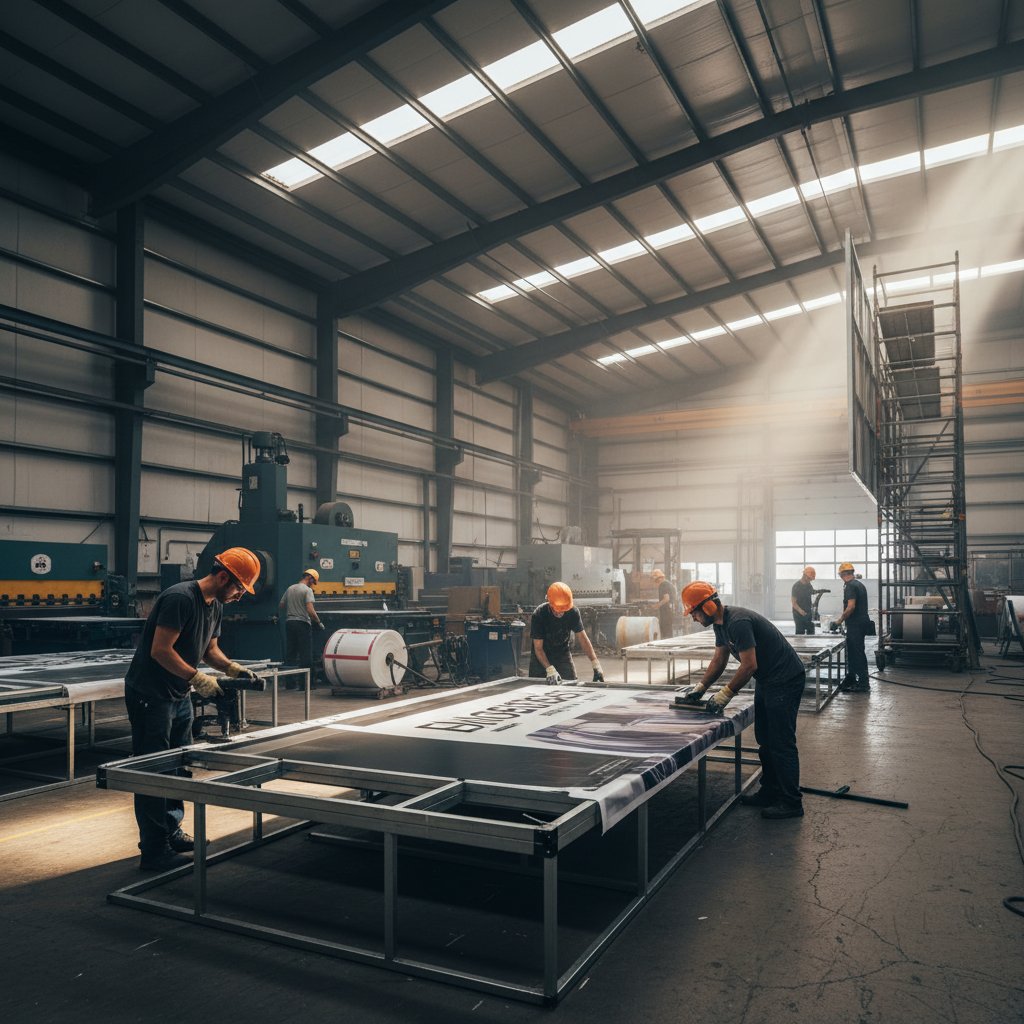
Billboard manufacturing facility in Manchester

Our Story

Xaxala began operations in Manchester in 2008 when three engineers with backgrounds in metalworking and construction identified a gap in the outdoor advertising market. At that time, many companies were importing pre-fabricated structures from overseas, which often failed to meet UK wind load requirements and weather conditions specific to the British climate.

Our workshop started with 800 square metres of production space and five employees. We focused on creating structures that could withstand Manchester's variable weather patterns - from strong winds to heavy rainfall. Each design incorporated galvanised steel frames with anti-corrosion treatment, ensuring longevity in coastal and urban environments across England, Scotland, and Wales.

By 2012, we expanded our facility to 2,400 square metres and increased our team to 23 specialists. This growth allowed us to introduce digital printing capabilities and LED integration services. Today, we manufacture 150-200 advertising structures annually, ranging from standard 6x3 metre roadside formats to custom installations for shopping centres and transport hubs.
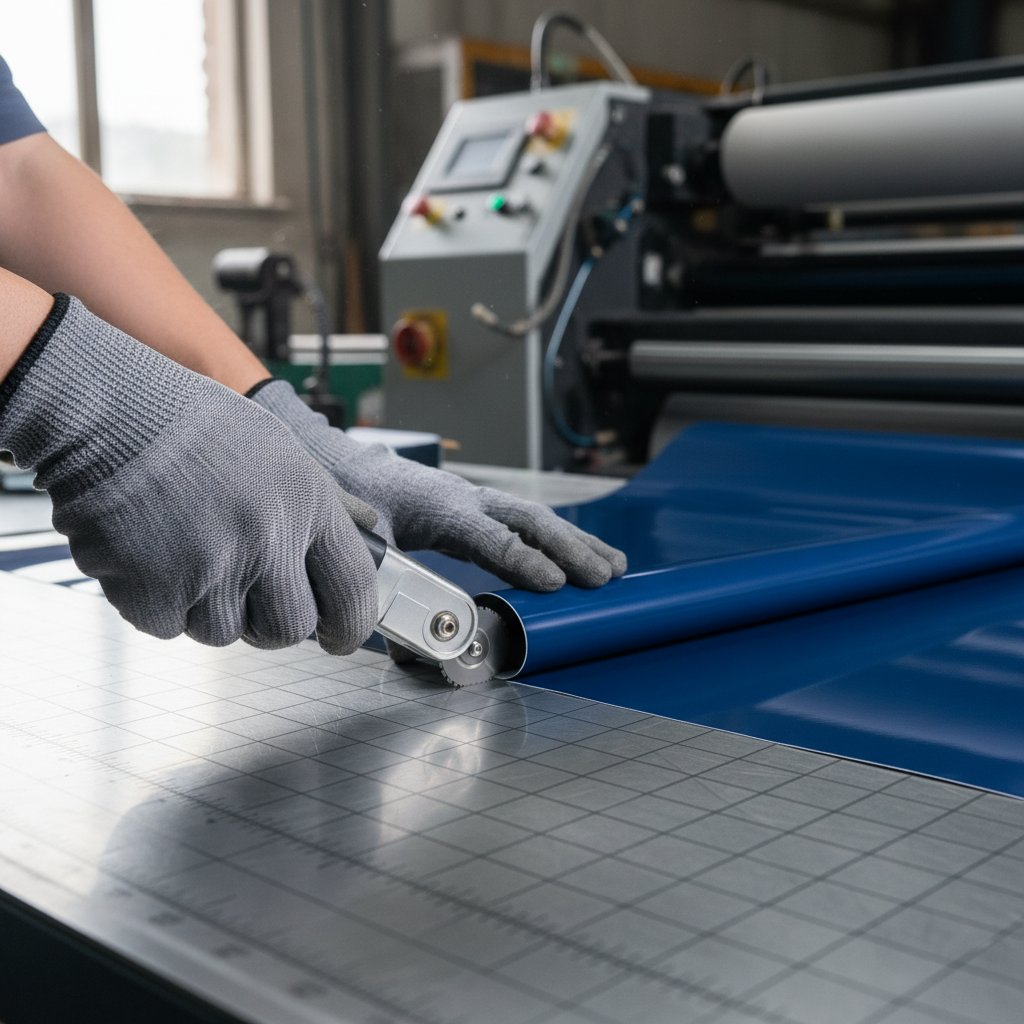
Quality control process for outdoor advertising structures

Our Approach

We maintain direct relationships with steel suppliers in Sheffield and aluminium fabricators in Birmingham, which reduces lead times to 3-4 weeks for standard orders. Our production process includes structural calculations verified by chartered engineers, ensuring compliance with BS EN 1090 standards for structural steelwork.

Each structure undergoes wind load testing based on location-specific data. For installations near the coast or in exposed areas, we apply additional reinforcement and use marine-grade fasteners. Our printing department uses UV-resistant inks with a fade guarantee of 5 years, tested against British weather conditions including prolonged rain exposure and temperature fluctuations between -10°C and 30°C.

We work with planning consultants throughout Greater Manchester, London, and Birmingham to streamline the approval process. Our technical documentation includes foundation specifications, electrical schematics for illuminated units, and maintenance schedules. Installation teams are CSCS-certified and carry £5 million public liability insurance.

What Guides Our Work

Engineering Standards

Every structure is designed by qualified engineers with calculations submitted for Building Control approval where required. We use finite element analysis for custom designs and maintain documentation for 10 years after installation.

Material Selection

We source S355 grade steel for main frames and 3mm aluminium composite panels for faces. All materials come with mill certificates and traceability. Galvanising is performed to BS EN ISO 1461 standards with minimum 85-micron coating thickness.

Production Efficiency

Our CNC cutting equipment reduces material waste to under 8%. We operate two welding bays with coded welders and maintain a powder coating line for weather protection. Standard 6x3 metre structures take 4-5 working days from cutting to final inspection.

Client Communication

Project managers provide weekly progress updates with photographs. We maintain a digital archive of all designs and can reproduce components years after initial installation. Technical support is available during standard business hours with response times under 4 hours for urgent queries.

16

Years Operating

2,800+

Structures Manufactured

23

Production Specialists

98%

On-Time Delivery Rate