Изготовление билбордов in 2024: what's changed and what works
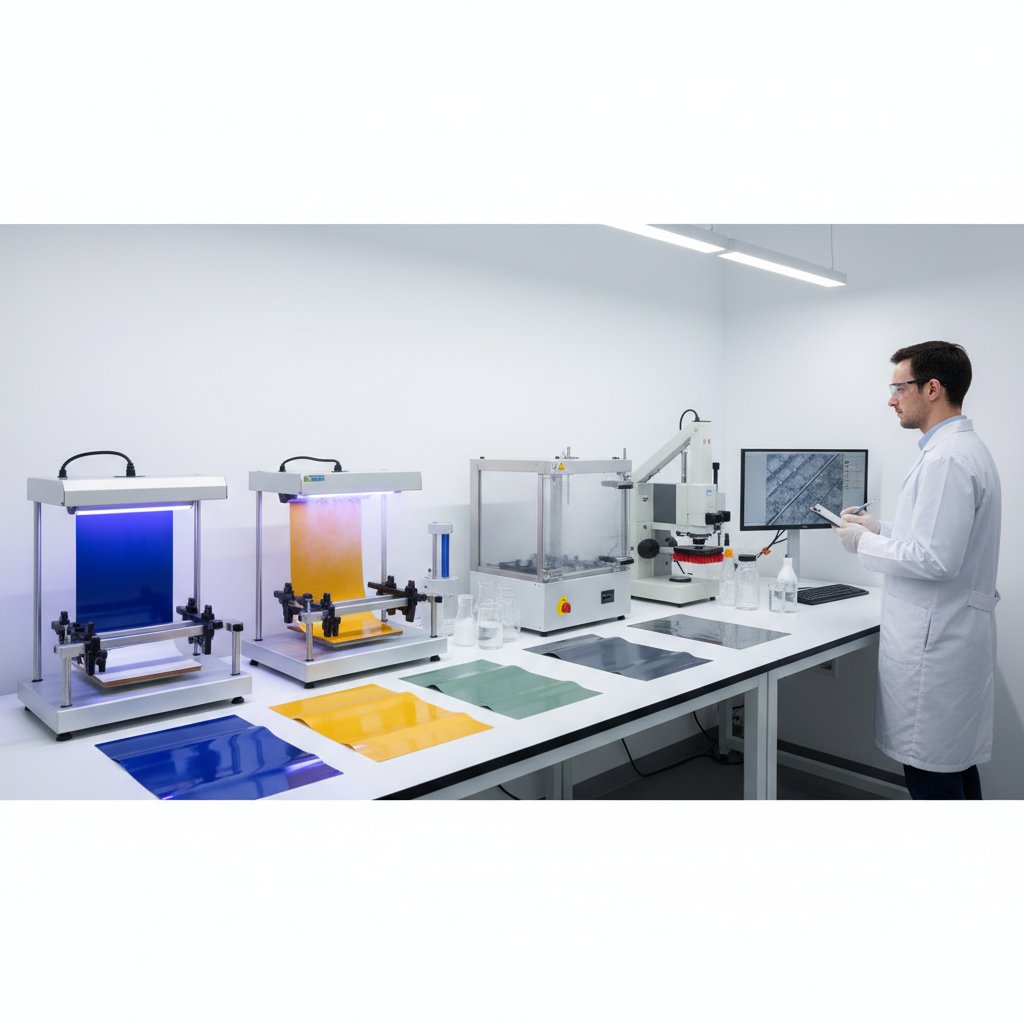
Billboard manufacturing has evolved dramatically over the past few years. What worked in 2020 feels almost ancient now, and the companies still printing on vinyl with the same old techniques are watching their margins shrink. Digital printing technology has matured, sustainability demands have gotten serious, and clients expect faster turnarounds than ever before. Here's what actually matters in billboard production right now.
1. LED Screens Are No Longer the Premium Option
Five years ago, LED billboards were luxury items with price tags that made clients wince. Today? The cost per square meter has dropped by roughly 40%, and the technology has become reliable enough that maintenance isn't the nightmare it used to be. You're looking at around $1,200-1,800 per square meter for decent outdoor LED screens, compared to $2,500+ back in 2019.
The real game-changer isn't just the price drop. Modern LED modules are brighter (10,000+ nits for direct sunlight visibility), consume 30% less power, and last 100,000 hours instead of 50,000. Plus, clients love the ability to switch creative every few hours. A restaurant can advertise breakfast at 7 AM, lunch specials at noon, and happy hour by 4 PM. Static vinyl can't compete with that flexibility.
The catch? You need electrical infrastructure and internet connectivity. Rural locations still favor traditional printing, but for urban and suburban placements, LED is becoming the default conversation starter.
2. Direct-to-Substrate Printing Has Replaced Multiple Steps
Remember when billboard production meant printing on vinyl, then mounting it on panels, then laminating for weather protection? That three-step dance is dying fast. UV-cured direct printing onto aluminum composite panels or corrugated plastic has compressed the timeline from 3-5 days down to same-day for standard sizes.
The quality difference is negligible to the naked eye, but the cost savings are real. You're cutting out material costs (no vinyl backing), labor hours (no mounting crew), and waste (failed vinyl prints can't be recycled easily). Some manufacturers report 25-30% cost reductions by switching to direct printing for runs under 50 units.
The sweet spot is billboards between 10-30 square meters. Anything smaller and the setup time doesn't justify the equipment investment. Anything larger and you're dealing with panel seams that still work better with traditional vinyl wrapping.
3. Eco-Friendly Materials Are Now Client Requirements, Not Nice-to-Haves
Sustainability used to be a checkbox on RFPs that nobody really cared about. Now major advertisers—especially retail chains and consumer brands—have actual carbon reduction targets they need to hit. Billboard production falls under their Scope 3 emissions, and they're auditing suppliers.
Recyclable aluminum frames have replaced steel in about 60% of new installations. Water-based inks instead of solvent-based have become standard for any client with an ESG report. Even the vinyl itself has evolved—PVC-free materials like polyethylene fabrics are gaining traction despite costing 15-20% more.
Here's the practical reality: if your manufacturing process can't provide carbon footprint calculations and material sourcing documentation, you're losing bids to competitors who can. The paperwork matters as much as the product now.
4. Modular Construction Speeds Up Installation and Replacement
The old approach of building custom frames for every billboard location is fading. Smart manufacturers have standardized around three or four frame sizes that cover 90% of placements. The frames use quick-connect systems—think industrial-grade snap-together components instead of welded custom structures.
Installation time has dropped from 6-8 hours to 2-3 hours for a standard 14x48 foot billboard. That's a full crew day saved, which translates to $800-1,200 in labor costs. When you're managing hundreds of locations, those savings compound quickly.
The modularity also means damaged sections can be swapped out instead of requiring full replacements. A hailstorm that used to mean replacing entire billboards now just means ordering a few panels and spending an hour on-site.
5. Remote Monitoring Has Become Standard Equipment
Every LED billboard now ships with monitoring systems that track power consumption, brightness levels, and component health. But even static billboards are getting sensors—mostly for lighting systems, but also accelerometers that detect structural issues before they become safety hazards.
The data feeds into dashboard systems that alert you when a bulb burns out or when wind loads exceed safe thresholds. One major manufacturer reported that proactive maintenance based on sensor data reduced emergency service calls by 70%. Clients notice when their billboards actually stay lit and visible.
The monitoring equipment adds $200-400 per billboard, but it pays for itself within the first year through reduced truck rolls and emergency repairs. Insurance companies are even starting to offer premium discounts for monitored structures.
6. Print Quality Expectations Have Skyrocketed
Smartphone cameras have ruined everything. People photograph billboards constantly for social media, and those close-up shots expose every printing flaw. The 720 DPI that was acceptable in 2020 looks pixelated when someone posts it to Instagram from 10 feet away.
Current standard is 1440 DPI for any billboard within 100 feet of viewing distance. The printing equipment capable of that resolution costs $150,000-300,000, which has created a divide between budget manufacturers and quality-focused shops. There's less middle ground than there used to be.
Color accuracy matters more too. Brands provide Pantone specifications and actually check them. You need color calibration systems and regular profiling to hit those targets consistently. The days of "close enough" color matching are over.
Billboard manufacturing in 2024 rewards shops that invest in modern equipment and adapt to new client expectations. The barrier to entry hasn't gotten lower—if anything, the equipment costs have increased. But the companies that make those investments are seeing healthier margins and longer client relationships than the holdouts still running 2015 playbooks.